How do babies respond to music in the womb?

In the last trimester, fetuses can hear music in the womb. And if they hear the same tune many times, they may learn to recognize it.

From the moment of birth, babies are primed and ready for social input, and our loving care has a profound impact on their development. But what is it like to be a baby? How do they see the world, and what can we do to help them learn and thrive?
These are big questions — too big, too fascinating, too important to be answered from any single perspective. Evolution. Culture. Developmental biology. Neuroscience. Pediatrics. Psychology. We need the contributions from many scientific disciplines, with a lot of critical thinking and analysis thrown in.
In these pages, I share many of the big ideas (fully-referenced!) that researchers are trying to answer about little people and their caregivers. I also provide lots of practical, evidence-based information about infant sleep, feeding, communication, social development, cognition, motor skills, emotions, stress management, and more.
Gwen Dewar, Ph.D.
In the last trimester, fetuses can hear music in the womb. And if they hear the same tune many times, they may learn to recognize it.

© 2021 Gwen Dewar, Ph.D., all rights reserved A mother’s voice has special power. It can provide comfort — and improve outcomes — for babies hospitalized in the NICU. It can shape the way infants process language in the brain. And it can help children cope with pain and stress. What happens when a baby … Continue reading

Yes, newborns spend most of their time sleeping and eating. But babies are more than mere survival machines. At birth, they are primed and ready for social input, and our loving care has profound effects on their development.

What is colic? Colicky babies cry excessively and inconsolably. Most cases improve by 4-6 months, but crying can be a sign of illness. So it’s important to consult with your doctor.
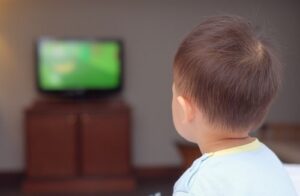
Studies report a link between TV and language development in young children. The more time kids spend watching television, the more slowly they learn to talk. What’s going on? Some people conclude that the effects of television on children are direct and negative. According to this view, television is noxious, like cigarette smoke. Cigarettes damage … Continue reading

Morning breast milk is high in cortisol. Night milk is higher in melatonin. So feeding babies “mistimed” milk might cause sleep trouble.

© 2021 Gwen Dewar, all rights reserved In Western countries like the United States, many children begin toilet training sometime between 24 and 36 months. But from an historical and cross-cultural standpoint, this timing is very late, and it comes with a downside. So what’s the right potty training age? It depends on your child, … Continue reading

Most babies learn to sit up by themselves sometime between 4 and 8 months. But the process is gradual, and some babies make faster progress than others. We can give motor development a boost by helping babies build key muscles. When do babies sit up by themselves? There isn’t any one, universal answer. Around the … Continue reading

© 2020 Gwen Dewar, Ph.D., all rights reserved Babies expect adults to share resources equally. They prefer people who behave with fairness. But babies are also learning about selfishness and favoritism. Can we become the role models our children deserve? Everyone should get a fair share. It’s the organizing principle of hunter-gatherer societies, and a … Continue reading

Are you coping with infant crying, fussing, or colic? Babies everywhere cry, especially during the first 3 months after birth. Even chimpanzees follow this pattern (Bard 2004). Like it or not, crying is a universal mode of communication for our species. But that doesn’t mean we’re helpless to improve the situation. Parents can have an important … Continue reading

What causes colic? Review the possibilities — included the latest theories about gut bacteria and migraine.

Do babies have prosocial impulses? Do they feel empathy? A preference for do-gooders? An inclination to be helpful? Do babies know right from wrong? Let’s be clear: We shouldn’t hold babies responsible for moral transgressions. They can’t anticipate all the consequences of the things they do. If your baby hits you in the face with … Continue reading