Potty training techniques: An evidence-based guide to training methods and their success rates
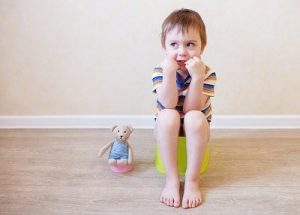
Evidence-based potty training techniques. Review the most popular methods and what research reveals about their effectiveness.

From the moment of birth, babies are primed and ready for social input, and our loving care has a profound impact on their development. But what is it like to be a baby? How do they see the world, and what can we do to help them learn and thrive?
These are big questions — too big, too fascinating, too important to be answered from any single perspective. Evolution. Culture. Developmental biology. Neuroscience. Pediatrics. Psychology. We need the contributions from many scientific disciplines, with a lot of critical thinking and analysis thrown in.
In these pages, I share many of the big ideas (fully-referenced!) that researchers are trying to answer about little people and their caregivers. I also provide lots of practical, evidence-based information about infant sleep, feeding, communication, social development, cognition, motor skills, emotions, stress management, and more.
Gwen Dewar, Ph.D.
Evidence-based potty training techniques. Review the most popular methods and what research reveals about their effectiveness.

Science suggests we can soothe a crying baby to sleep with a few minutes of walking…and waiting. How does it work, and why?
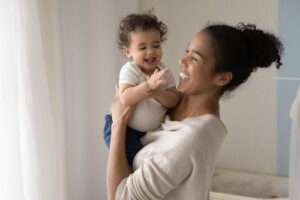
What is baby sign language? Should we teach babies to sign? There’s no clear evidence that formal training programs yield long-term benefits. But signing may help parents “tune in” to their babies, and certain gestures may make it easier for babies to learn.
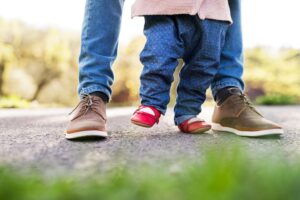
When do babies start walking? Some begin before 9 months, others take much longer. How does walking develop, and why do some babies walk earlier than others?

Dream feeding is designed to reduce sleep disruption. But for maximum effect, parents should combine it with other sleep-friendly practices.

When parents hear about infant sleep training, they often think of babies left alone in their cribs to cry themselves to sleep. But there are alternatives to such an approach.
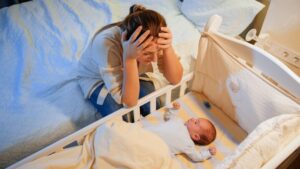
A parent’s guide to the physical and psychological triggers of postpartum stress. Includes sleep deprivation, fussy babies, stress hormones and tips for coping.
Research suggests that playful, age-appropriate musical training can help babies learn language-related skills.
Babies learn about flavors even before they are born. Can prenatal learning give rise to food preferences? Can it make some individuals more prone to consume alcohol?

Stressed-out parents often wonder: Can babies sense tension and anger? Can babies sense stress in their caregivers? Experimental research confirms that stress is contagious.
Research suggests that sensitive, responsive parenting can protect children from chronic disease and toxic stress.

What scientific studies reveal about the timing of toilet training. Safe, early training may lower the risk of bladder and bowel dysfunction.