Praise and intelligence: The argument for process-based praise

Telling kids they are smart might seem like encouragement, but it can backfire. Learn about person praise, process praise, and intelligence.
Telling kids they are smart might seem like encouragement, but it can backfire. Learn about person praise, process praise, and intelligence.
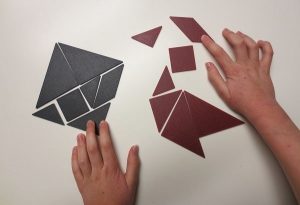
Tangram puzzles may boost spatial skills and enhance math skills. How to start? See these evidence-based tips about tangrams for kids.

School uniforms may have benefits, but they don’t seem to boost morale or achievement. And for some kids, they may actually cause problems.

Depending on how you define it, the Mozart effect either doesn’t exist, or is a weak phenomenon with an extremely misleading name. But studies do hint that music can make us feel more alert and focused, giving us a brief cognitive boost. It may also deliver health perks.

Want to participate in scientific research? Learn how you can help investigators answer questions related to parenting and child development.

What you believe about cognitive performance — the theory of intelligence that you adopt — can have brain-altering effects, and enhance your ability to learn. Yet programs designed to instill the right, “growth mindset” in students haven’t always worked. Why not?

During summer break, kids can forget what they’ve learned at school, falling months behind. But studies suggest we can prevent summer learning loss. Here’s how.

We can help kids learn math and science by harnessing the power of self-explanation. But there are pitfalls. Here’s how to make it work.

What are the effects of video games on school achievement? Certain types of gaming are linked with lower reading scores, but gaming may also have benefits.
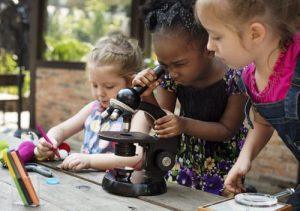
What is the “spaced learning” effect? If your child needs to learn something — and you want that learning to stick — the best approach is to space learning sessions apart in time. A single, long lesson is usually less effective than multiple, shorter lessons. Moreover, the ideal duration of a lesson may be much briefer than we realize — particularly for young children.

Working memory is often likened to RAM in a computer. The more you have, the more information you can juggle at once — allowing for faster processing. But of course we humans can’t improve our memory capacity by installing a new RAM stick. Nor can we expect new humans to perform at the highest level … Continue reading
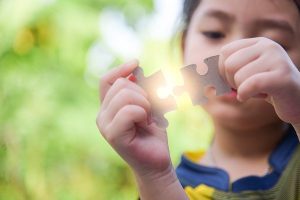
Spatial skills are crucial for success in STEM and the visual arts. So what can we do help kids develop strong spatial reasoning abilities? Happily, a growing body of research points the way. Improving spatial skils is possible through a combination of physical exploration, spatial, talk, hands-on activities, and explicit instruction.