Structured block play: Can construction toys boost STEM achievement?
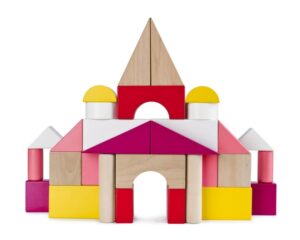
There are many ways to play with blocks. One approach — structured block play — may be especially helpful for promoting STEM achievement.
There are many ways to play with blocks. One approach — structured block play — may be especially helpful for promoting STEM achievement.

Naps help babies learn and remember. In fact, babies may require timely naps to transfer new information and skills into long-term memory. Does this mean we should be forcing our babies to take lots of naps? No. But we should treat naps with respect…and realize that the last hour (or so) before sleep is prime time for learning.
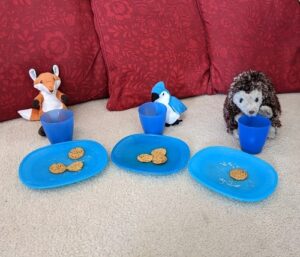
Teaching kids to count is a good start, but it isn’t enough. Children also need to develop “number sense,” an intuitive feeling for the actual amount associated with a given number. Where does number sense come from, and what can we do to make sure kids really learn the concept of number? Check out these preschool number activities.

What are the cognitive benefits of play? Read what scientific studies reveal about play and the developing brain.

Are kids confused by fairy tales? Is reading fantasy fiction a waste of time? No. Studies suggest fantasy can boost creativity, learning, and self-regulation.
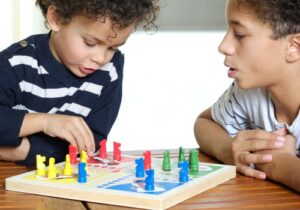
Parenting Science reviews the research. Which toys support the development of spatial intelligence? Can educational games teach math skills?

Toy blocks can help kids develop better motor skills, spatial skills, and math skills. But to unleash all of these skills, kids need to do more than move blocks around.
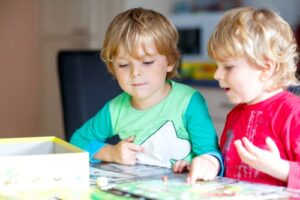
Studies suggest that children can learn math lessons from a preschool board game — if the game has these features.

Young dinosaur enthusiasts can learn surprisingly sophisticated concepts about biology and natural selection. Use your child’s interest in dinosaurs to teach lasting lessons about science.
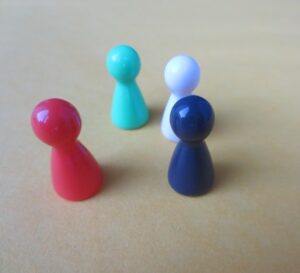
These preschool math games have helped young children develop an intuitive understanding of numbers. Here’s how to make them, and how to play.
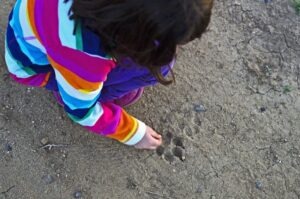
© 2009 – 2021 Gwen Dewar, Ph.D., all rights reserved These preschool and kindergarten science activities build on what most young children are already interested in — animals! And in addition to teaching lessons about biology, they also offer kids opportunities to practice analytical, spatial, and symbolic reasoning skills. Where to begin: Free exploration with … Continue reading
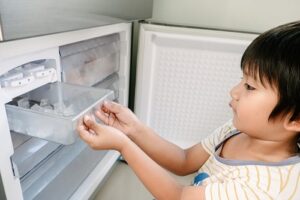
© 2008 – 2021 Gwen Dewar, Ph.D., all rights reserved A preschool science experiment is an opportunity to introduce children to the concepts of observation, prediction, and testing (Gelman and Brenneman 2004). Exciting? Yes. But it’s also tricky. On the one hand, research suggests that young children don’t think as creatively or as critically when … Continue reading