Structured block play: Can construction toys boost STEM achievement?
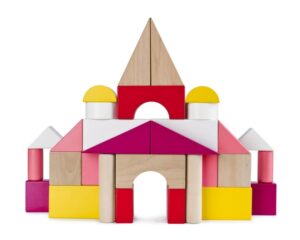
There are many ways to play with blocks. One approach — structured block play — may be especially helpful for promoting STEM achievement.
There are many ways to play with blocks. One approach — structured block play — may be especially helpful for promoting STEM achievement.

Teaching self-control? Kids benefit when we remove temptations and distractions; offer timely reminders; and show kids how to stick to a plan.

Yes, babies feel empathy. They can “catch” other people’s emotions. They show sympathy, and even offer to help. But their behavior depends on how we treat them.

Delayed gratification isn’t always a matter of willpower. When adults appear unreliable – or downright untrustworthy – kids choose instant rewards over future benefits. And children show an increased willingness to wait if they believe their peers will do the same.

The newborn brain is busy processing information, searching for patterns, and learning. Here’s a fascinating look at newborn cognitive development.

Talking to babies helps them learn speech. But nonverbal cues may teach something more — the ability to synchronize their thoughts and feelings with those of another person.

Baby communication operates on many channels, including sight and touch. But infant-directed speech plays a special role in language learning.

Naps help babies learn and remember. In fact, babies may require timely naps to transfer new information and skills into long-term memory. Does this mean we should be forcing our babies to take lots of naps? No. But we should treat naps with respect…and realize that the last hour (or so) before sleep is prime time for learning.

Observational fear learning is what happens when we use social cues to identify something as threatening. Can kids learn in this way? Yes!

What are the cognitive benefits of play? Read what scientific studies reveal about play and the developing brain.

Are kids confused by fairy tales? Is reading fantasy fiction a waste of time? No. Studies suggest fantasy can boost creativity, learning, and self-regulation.
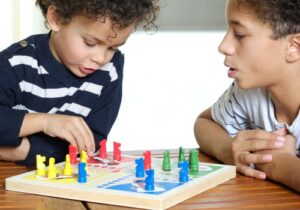
Parenting Science reviews the research. Which toys support the development of spatial intelligence? Can educational games teach math skills?