Friendship in children: A research-based guide to peer relationships
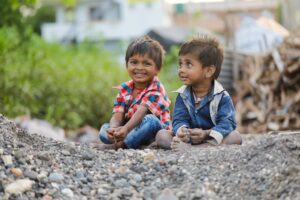
Across cultures, kids benefit from friends. Why is friendship important? How does friendship in children develop? And what can we do to help?
Across cultures, kids benefit from friends. Why is friendship important? How does friendship in children develop? And what can we do to help?
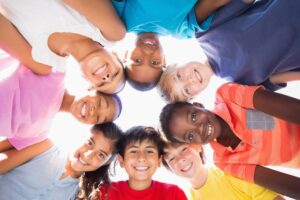
25 social skills activities to help kids communicate, connect, empathize, read minds, cooperate, negotiate, and befriend.

Reading facial expressions is an important skill. What does normal development look like, and how can we help kids learn to read faces?
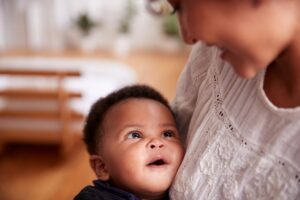
Yes, babies feel empathy. They can “catch” other people’s emotions. They show sympathy, and even offer to help. But their behavior depends on how we treat them.

Good news from researchers who study aggression in children: By changing our mental habits, we can help prevent aggression before it erupts.

Talking to babies helps them learn speech. But nonverbal cues may teach something more — the ability to synchronize their thoughts and feelings with those of another person.

Baby communication operates on many channels, including sight and touch. But infant-directed speech plays a special role in language learning.

Do violent video games have any negative effects on kids? Parenting Science takes a critical look at the research.
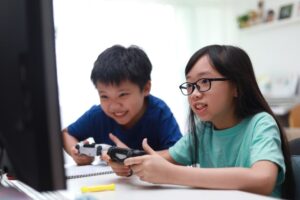
What are the effects of video games on social behavior? Research suggests that some games encourage kids to be helpful and kind.

Stressed-out parents often wonder: Can babies sense tension and anger? Can babies sense stress in their caregivers? Experimental research confirms that stress is contagious.

Do children tell prosocial lies – lies intended to protect another person from harm? Fascinating experiments indicate that many kids are capable of this by the age of 7, and some children show the capacity even earlier.

It’s not unusual for kids to tell lies, but their readiness to deceive depends on how adults treat them. What can we do to foster honesty?