The science of gestures: We learn faster when we talk with our hands

Gestures aren’t just hand-waving. Learn how hand movements can help babies, school children, and even adults learn.
The Parenting Science news feed alerts you to updates on the Parenting Science website and to new blog posts or articles written by Gwen Dewar about parenting and child development topics.
If you have a social media account, you can follow this site by clicking on one of the Facebook, Twitter, Pinterest, or RSS buttons.
Gestures aren’t just hand-waving. Learn how hand movements can help babies, school children, and even adults learn.

Delayed gratification isn’t always a matter of willpower. When adults appear unreliable – or downright untrustworthy – kids choose instant rewards over future benefits. And children show an increased willingness to wait if they believe their peers will do the same.

The newborn brain is busy processing information, searching for patterns, and learning. Here’s a fascinating look at newborn cognitive development.

Talking to babies helps them learn speech. But nonverbal cues may teach something more — the ability to synchronize their thoughts and feelings with those of another person.

Baby communication operates on many channels, including sight and touch. But infant-directed speech plays a special role in language learning.

Naps help babies learn and remember. In fact, babies may require timely naps to transfer new information and skills into long-term memory. Does this mean we should be forcing our babies to take lots of naps? No. But we should treat naps with respect…and realize that the last hour (or so) before sleep is prime time for learning.
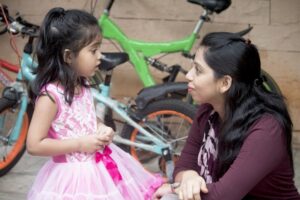
What is authoritative parenting, and why is it beneficial? Find out if your style is authoritative, and what practices help kids thrive.
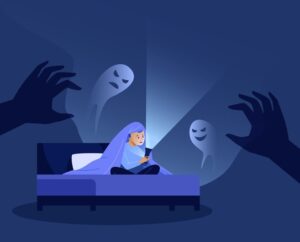
Is your child afraid of the dark? Is your child’s fear severe enough to be considered a phobia? Here’s what research tells us about the signs and causes…and how to help kids to overcome their fears.

Observational fear learning is what happens when we use social cues to identify something as threatening. Can kids learn in this way? Yes!
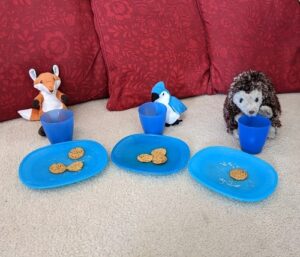
Teaching kids to count is a good start, but it isn’t enough. Children also need to develop “number sense,” an intuitive feeling for the actual amount associated with a given number. Where does number sense come from, and what can we do to make sure kids really learn the concept of number? Check out these preschool number activities.

Do violent video games have any negative effects on kids? Parenting Science takes a critical look at the research.

Colicky babies respond differently to stimulation. Could it be that their nervous systems are different? Research suggests this is possible.