Infant sleep training: Gentle alternatives to “cry it out”

When parents hear about infant sleep training, they often think of babies left alone in their cribs to cry themselves to sleep. But there are alternatives to such an approach.
The Parenting Science news feed alerts you to updates on the Parenting Science website and to new blog posts or articles written by Gwen Dewar about parenting and child development topics.
If you have a social media account, you can follow this site by clicking on one of the Facebook, Twitter, Pinterest, or RSS buttons.
When parents hear about infant sleep training, they often think of babies left alone in their cribs to cry themselves to sleep. But there are alternatives to such an approach.
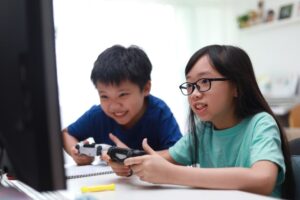
What are the effects of video games on social behavior? Research suggests that some games encourage kids to be helpful and kind.
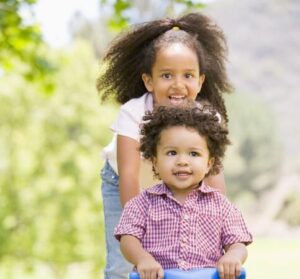
What do studies tell us about the benefits of outdoor play? Here are 12 ways that outdoor time can make kids healthier, happier, and smarter.

A parent’s guide to the physical and psychological triggers of postpartum stress. Includes sleep deprivation, fussy babies, stress hormones and tips for coping.
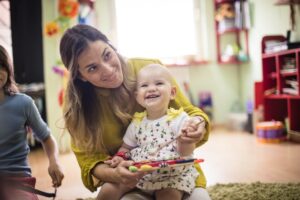
Research suggests that playful, age-appropriate musical training can help babies learn language-related skills.
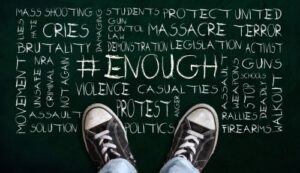
There are facts about gun violence that everyone should be able to accept. If we can find this common ground, we can make the world safer.

Babies learn about flavors even before they are born. Can prenatal learning give rise to food preferences? Can it make some individuals more prone to consume alcohol?

When one family member is stressed, it can disrupt the entire family. What are the effects of family stress, and what can we do to cope?

Stressed-out parents often wonder: Can babies sense tension and anger? Can babies sense stress in their caregivers? Experimental research confirms that stress is contagious.

Young dinosaur enthusiasts can learn surprisingly sophisticated concepts about biology and natural selection. Use your child’s interest in dinosaurs to teach lasting lessons about science.

Do children tell prosocial lies – lies intended to protect another person from harm? Fascinating experiments indicate that many kids are capable of this by the age of 7, and some children show the capacity even earlier.
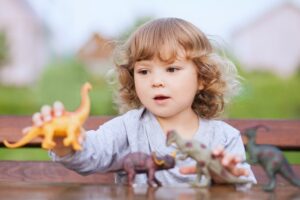
These preschool dinosaur activities begin with a thought experiment. If you were given a living dinosaur to take care of, what would you do? There are no rules, and kids can use a variety of props to bring their ideas to life. The goal is to learn about dinosaurs, think imaginatively, solve practical problems, and keep a record of your discoveries.